History is where you end speculation. You should see every action, its status, and a rough time. If there's a pending status, wait. If there's a completed status, move on. If there's a message, read it. Those are the three steps that keep your mind calm.
Imagine the scenario where you make a deposit and don't see an immediate update. Usually, the reflex is to redo the deposit. Don't. Check the history first, observe the status, and wait for an update. If you double-act, you create more work for yourself.
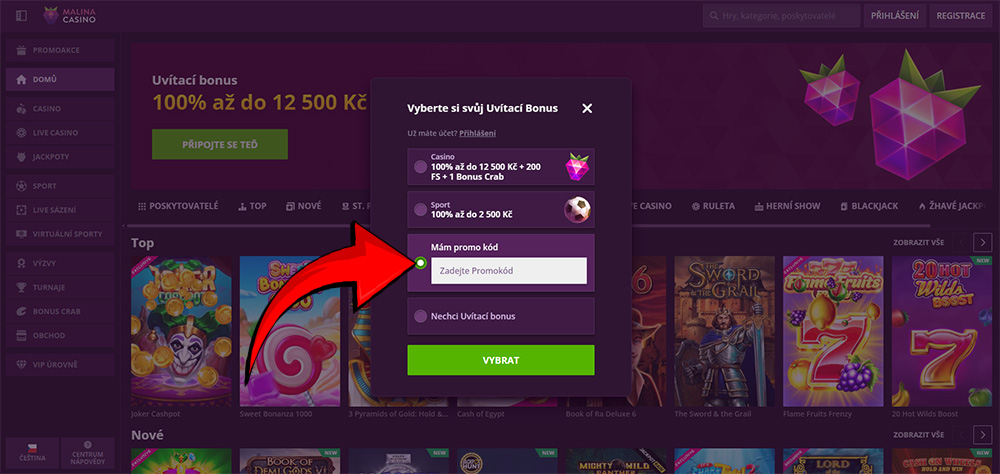
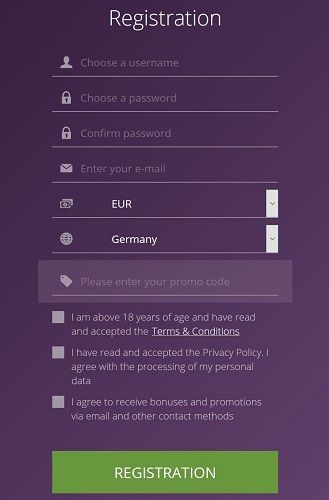
Here's a practical table to keep your transactions and sessions clean, without any marketing terms or vague promises.
Item | What You Do | What You Check | Result |
Deposit | You choose a moderate method and amount | Confirmation screen and status | Fewer errors |
Offer | You activate before payment | "Active" status in the account | Less confusion |
Code | You enter accurately | On-screen confirmation | Fewer rejections |
Session | You set a budget and time | Limits and reminders | Control |
Support | You send facts | Device, time, status, message | Better response |
Choosing A Payment Method Wisely
Choose a method you understand and that suits your habits. If you want to separate entertainment spending from other costs, use a separate channel. If you want simplicity, stick with a method you use regularly. Check the final screen before confirming, as that's where most small mistakes happen.
Imagine the scenario where a message pops up before you confirm the amount. Usually, people tap quickly and choose the wrong amount. Turn off notifications for two minutes and confirm with focus.
And make one change at a time. If you change your payment method and your session plan at the same time, it becomes harder to understand what changed your experience.
Withdrawals: What Helps A Smooth Process
We won't promise exact times, as processing depends on the method and internal checks. But you can make the process smoother: keep your data consistent, send one request, and follow the status in the history. Avoid duplicate requests, and if verification is requested, send clear material in good light.
Imagine the scenario where you see "under review" and it worries you. This is usually a standard step. If the request appears in the history and has a status, you are on the right track. Wait for an update, and if you have a question, write with facts.
It's best not to play your session with money pressure. If you're relying on a same-day withdrawal, there's more stress and less control. Keep space in your planning.
Support: How To Ask A Question Effectively
Write as a report: what you did, what you expected, what you saw, what device, and approximately when. If it relates to a transaction, add the amount and current status. Ask for "the next step" rather than a general complaint.
Imagine the scenario where you write "it doesn't work" without details. You will usually get a general answer and more questions. With facts from the start, you get a more direct answer and save time.
If you are uneasy, wait a few minutes before sending. You often have a clearer message after a small break.